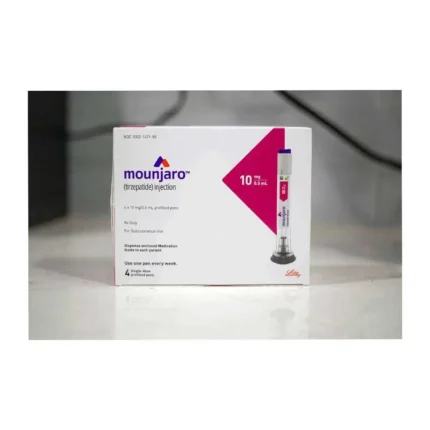


Tirzepatide Injection
| Generic Name | Tirzepatide |
|---|---|
| Strength | 2.5 mg / 5 mg / 10 mg |
| Form | Injection |
| Packaging | Refilled pen |
| Therapeutic use | Anti Diabetic |
| Manufacturing Period | 30 to 45 Days |
What Is Tirzepatide Injection?
Tirzepatide injection is a prescription medicine doctors use to treat type 2 diabetes and support weight management in eligible patients. It belongs to a newer class of medications called dual GIP and GLP-1 receptor agonists.
Doctors prescribe it to improve blood sugar control and support metabolic health.
Medical Uses of Tirzepatide
Doctors use tirzepatide mainly for metabolic disorders. For example, it helps patients with type 2 diabetes control blood glucose more effectively.
In addition, doctors prescribe it in weight management programs for patients with obesity or weight-related health risks.
Key uses include:
- Managing type 2 diabetes
- Supporting medically supervised weight loss
- Improving metabolic health markers
- Reducing risk factors linked to cardiovascular disease in some patients
Therefore, it plays an important role in modern diabetes and obesity care.
How Tirzepatide Works
Tirzepatide activates two hormone pathways: GIP and GLP-1. As a result, it increases insulin release when blood sugar rises and reduces appetite.
Moreover, it slows digestion, which helps patients feel full for longer periods. Consequently, it reduces overall calorie intake and supports weight loss.
However, doctors still monitor patients closely to adjust treatment safely.
Dosage and Administration
Doctors determine the tirzepatide dose based on the patient’s condition and response to treatment.
Patients usually take it as a once-weekly injection. In addition, doctors start with a low dose and gradually increase it over time.
Therefore, patients must follow the prescribed schedule strictly to reduce side effects and improve results.
Possible Side Effects
Tirzepatide may cause side effects, especially during the first few weeks of treatment.
Common side effects include:
- Nausea
- Vomiting
- Diarrhea
- Reduced appetite
- Stomach discomfort
More serious side effects include:
- Pancreatitis
- Gallbladder issues
- Severe gastrointestinal reactions
- Low blood sugar (when used with other diabetes medicines)
Doctors monitor patients regularly to manage these risks effectively.
Safety and Precautions
Doctors supervise tirzepatide treatment to ensure safe outcomes. They adjust the dose based on patient response and tolerance.
In addition, patients should report severe abdominal pain or persistent vomiting immediately. Therefore, regular follow-ups remain important during treatment.
Drug Interactions and Warnings
Tirzepatide may interact with other diabetes medications. As a result, it can increase the risk of low blood sugar.
Therefore, doctors carefully review all medications before starting treatment.
Legal Status
Tirzepatide is a prescription-only medicine. Therefore, only licensed healthcare professionals can prescribe and monitor its use.
Final Thoughts
Tirzepatide injection helps doctors manage type 2 diabetes and support weight loss in eligible patients. It works by improving insulin response and reducing appetite through dual hormone action.
In conclusion, it offers strong clinical benefits when used correctly. However, patients must always use it under medical supervision for safe and effective results.